


For several years now, personal bankruptcy has been gaining popularity among debtors seeking a real chance at a financial restart. Many wonder whether it's possible to declare bankruptcy without assets and how long the entire process takes. It's worth taking a step-by-step look at it.
CONTENTS:
A few words about the article - Listen
What is consumer bankruptcy?
Consumer bankruptcy is a court proceeding addressed to natural persons who do not run a business and are unable to pay their debts.
This often concerns people who do not have any assets – and importantly, lack of assets is not an obstacle to declaring bankruptcy. In such a situation, the costs of the proceedings are temporarily covered by the State Treasury.
The purpose of the proceedings is debt relief for a debtor, i.e., partial or complete cancellation of its obligations to creditors. This allows it to begin a new phase of life without the burden of debt.
Who can declare personal bankruptcy?
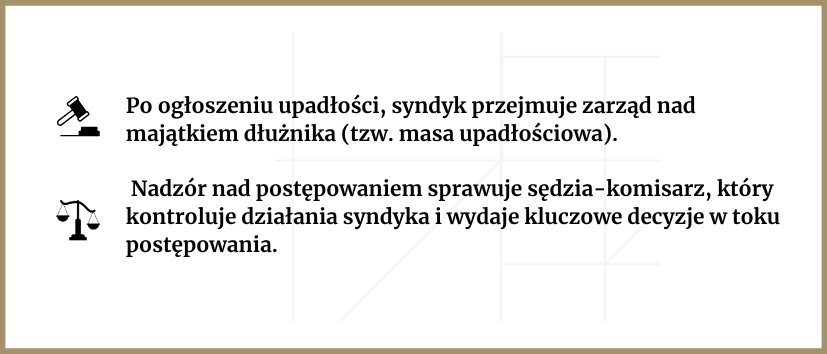
Consumer bankruptcy can be used by: any natural person, which:
- does not conduct business activity,
- is not a partner in a partnership liable with all his assets for the company's obligations,
- and has lost the ability to settle its obligations for at least three months.
It is worth remembering that the court may dismiss the bankruptcy petition if in the last 10 years similar proceedings have already been conducted against the same person.
How long does bankruptcy proceedings take?
This is one of the most frequently asked questions. The duration of personal bankruptcy depends on the individual situation of the debtor.
Typically, proceedings without a repayment plan take from several months to half a year. However, if the debtor has assets, the trustee must liquidate them (sell them), which can extend the process by up to several months.
In the event of a lack of assets, the proceedings proceed more quickly because the trustee does not have to conduct the sale of assets. This is of paramount importance. cooperation of the debtor with the trustee and the court – the more efficiently the information is exchanged, the faster the case can be concluded.
Stages of bankruptcy proceedings
- Filing a petition for personal bankruptcy – takes place via the system National Register of Indebted Persons (KRZ).
Digitally excluded people (e.g. elderly people) can submit a paper application to the court.
A carefully prepared application, containing all the necessary data and justification, significantly speeds up the consideration of the case. - Declaration of bankruptcy by the court After reviewing the documents, the court issues a bankruptcy order. From that moment on, the debtor's assets (if any) become the bankruptcy estate, which is administered by the trustee.
- The trustee's actions – The trustee notifies creditors, prepares an inventory of assets, and, if possible, begins liquidating them. If there are no assets, he or she prepares an appropriate report and requests the termination of the proceedings or prepares a draft repayment plan.
- Creditor repayment plan or debt relief – the court, after analysing the life and financial situation of the debtor, establishes a repayment plan (usually for a period up to 36 months).
- If the debtor repays at least 70% liabilities, the plan cannot last longer than 12 months.
- If he pays off at least 50%, this period cannot exceed 24 months.
- In the event of gross negligence or intentional insolvency, the repayment plan may last up to up to 7 years.
- In exceptional circumstances, when a person has no real ability to repay, the court may completely discharge the debt without a repayment plan.
How to speed up bankruptcy proceedings?
To ensure the entire procedure runs smoothly, it is worth taking care of a few key issues:

- prepare a complete, well-thought-out bankruptcy petition,
- organize documents related to finances and liabilities,
- actively cooperate with the trustee,
- provide reliable information and do not hide assets.
These actions can significantly shorten the duration of the proceedings and increase the chances of a quick resolution. debt relief.
Summary
Consumer bankruptcy is a real opportunity for a new start for people in debt.
Although the duration of the proceedings may vary depending on the situation, in many cases the whole thing is completed within a few months. Proper preparation for the process and professional support are crucial.
That's why it's worth getting help advisors specializing in consumer bankruptcy, who will help you prepare your application, analyze your financial situation and explain what to expect at each stage of the procedure.














 English
  Polish
  Ukrainian